


Maintaining the 336-mile CAP system is a big job and, on the surface, it may seem like a pretty straightforward process. But it’s not.
In fact, planning and scheduling – whether it’s for preventive maintenance (PM), a repair, an outage or a new project – can be a complex process that involves dozens of water professionals and departments. Which brings up the question: how exactly does that happen?
For many years, CAP’s maintenance planners have coordinated work that involves one or two departments and is 2-6 weeks out. Things like PMs, routine jobs and small projects. It’s an effective process that runs like a well-oiled machine and has resulted in an incredibly reliable system.
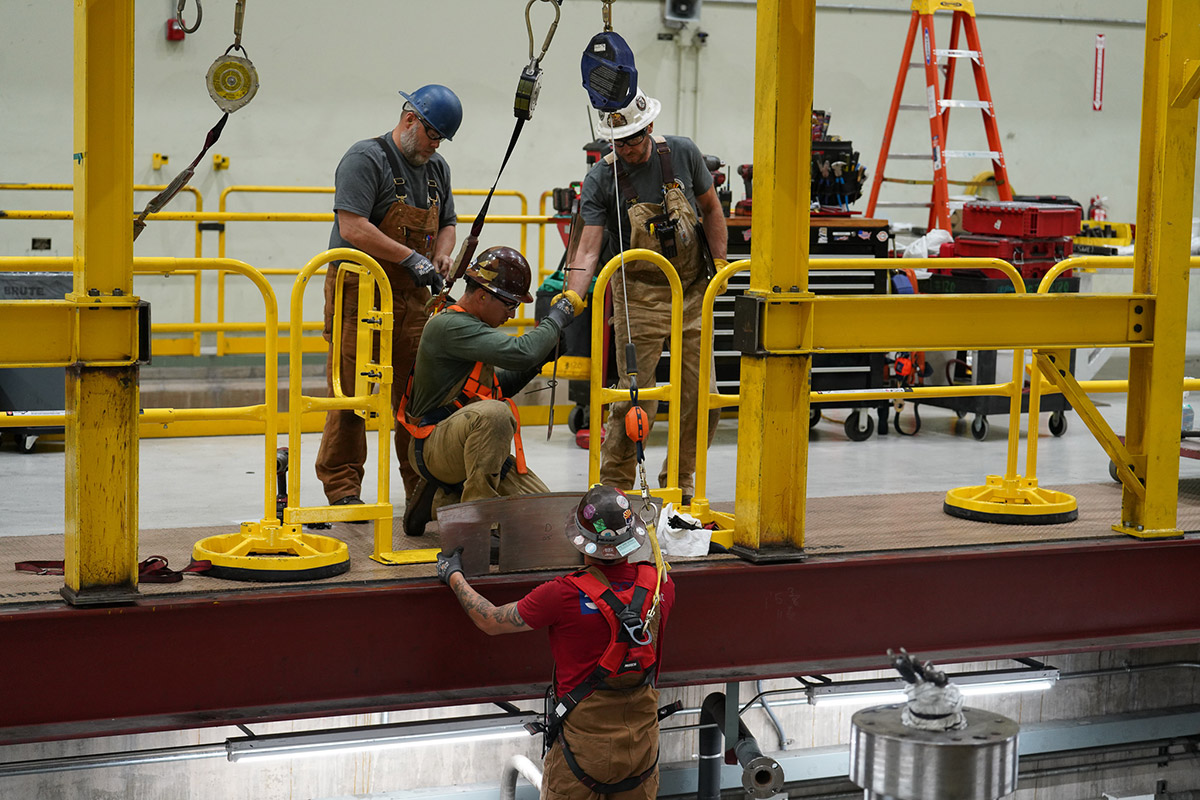
But what about bigger jobs that require contractors, more planning, more departments, more supplies and more lead time?
That’s where maintenance project managers (MPMs) step in.
Robert Hitchcock, maintenance control manager, said MPMs approach the work from a big picture perspective, focused on developing a project schedule and facilitating communication among all the teams working on the project.
“An MPM brings a high level of organization to every big project as well as consistent and thorough communication,” said Hitchcock.
The project or outage schedule identifies who needs to be at the job site, when they need to be at the job site and how long their work will take – ensuring everything is properly sequenced and resourced. It’s much like baking cookies … the success relies on a good plan, preparation, and bringing multiple ingredients together with perfect timing.
The second critical function of the MPMs is communication, which is a challenge when you can have a dozen departments all contributing to a project, said Hitchcock.
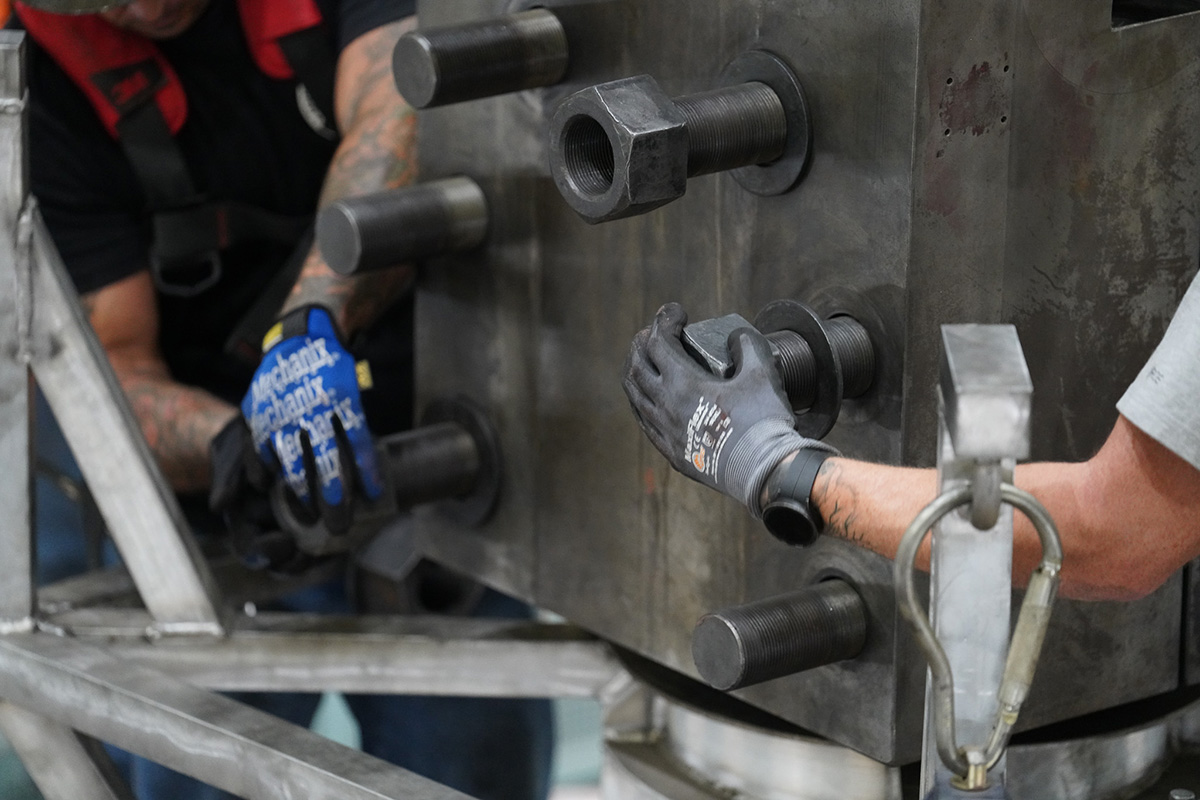
“MPMs are the hub of all communication, ensuring that everyone is on the same page and completely informed throughout the process,” said Hitchcock. “They aren’t directing the work, but rather they handle the traffic and order around it.”
How far into the future do they plan?
“Our planning function is high-functioning, streamlined and organized,” said Hitchcock. “That means we identify major work years in advance, so we don’t just effectively coordinate the work, but also with customers to ensure reliable water deliveries.”

KRA: Workforce
Being a premier employer that attracts and retains an exceptional and diverse workforce