
And the winners are…students recognized for water research
Two Northern Arizona University students captured top honors in the 2020 CAP Award for Water Research. The Award recognizes excellence in graduate or undergraduate student



Two Northern Arizona University students captured top honors in the 2020 CAP Award for Water Research. The Award recognizes excellence in graduate or undergraduate student
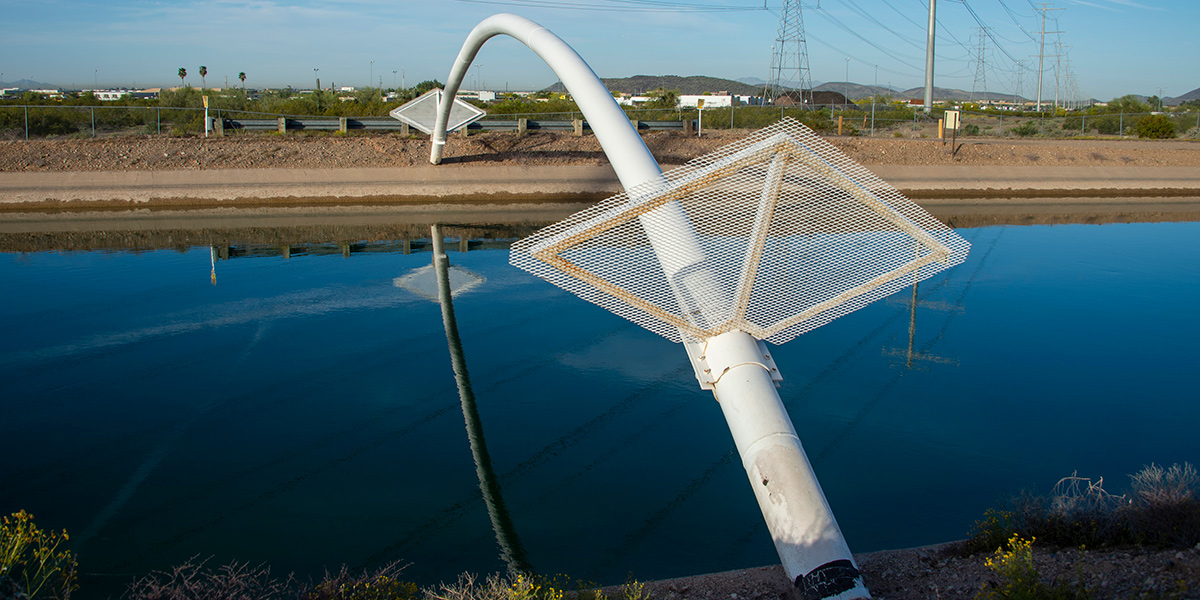
This 12-inch in diameter utility crossing stretches 105 feet across the canal and is located just north of CAP’s Headquarters in Phoenix. It was identified

We’ve heard it a million times: when you are driving, keep your eyes on the road. It’s great advice, but when you’re part of CAP’s

Sometimes things don’t go according to plan. This definitely seemed to be the case for the black lab who found herself stranded on the back

View the Full Infographic Document Beneath the dry desert earth are aquifers, layers of sand and gravel that store groundwater and willingly soak up any

Editor’s Note: The following article was written by Engineering CADD Technician Alfredo Arroyo, who has been with CAP two years, and knows first-hand the importance
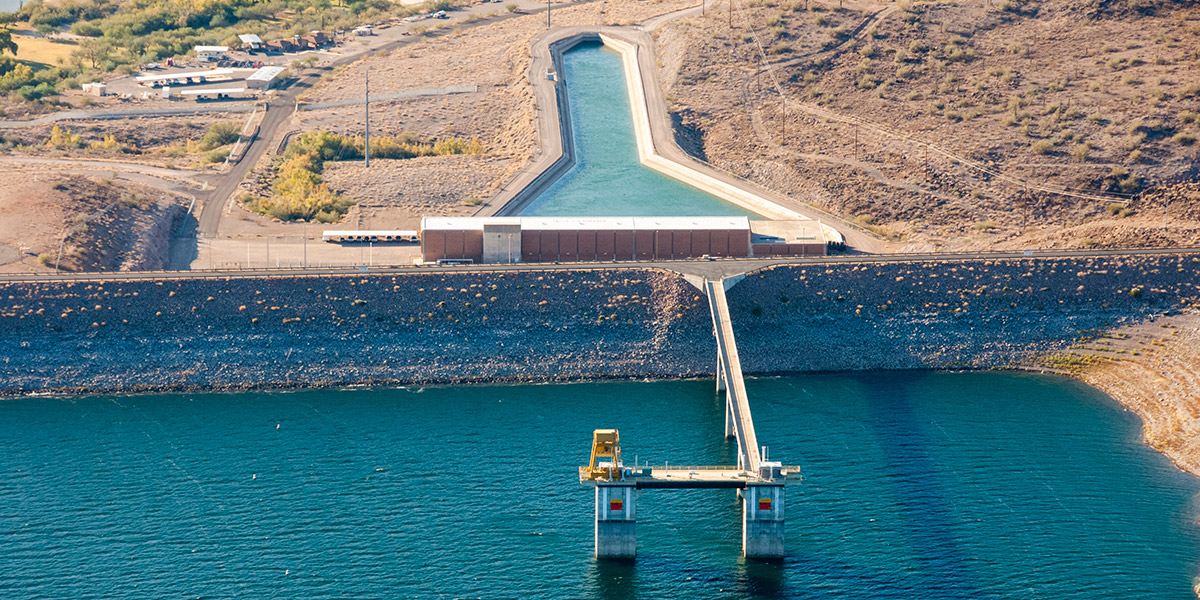
When most Arizonans think of Lake Pleasant, they think of outdoor recreation; however, for CAP, the lake is also a storage reservoir that is critical

The water in the CAP canal may not be faster than a speeding bullet, but it is stronger than a locomotive.* For CAP, this means

In 1973, five years after the Colorado River Basin Project Act was signed by President Lyndon B. Johnson, construction started on the first pumping plant